Each question gives a key figure or set of figures (X), followed by four alternatives, or five figures in the odd-one-out questions. It asks for one of these: a. the figure that can be formed from the given pieces; b. the figure showing the key figure after rotation; c. the figure that contains the specified components; d. the odd one out; e. the figure that replaces the question mark.
Question 1
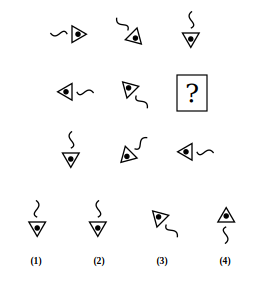
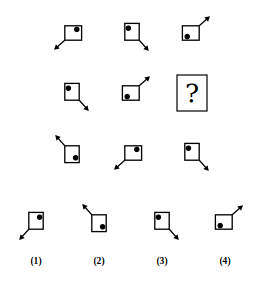
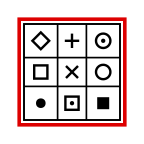
Select the figure that correctly takes the place of the question mark.
Explanation
In each row the figure turns through 45° clockwise from one box to the next. Turning the second figure of the middle row 45° clockwise gives figure (4).
Question 2
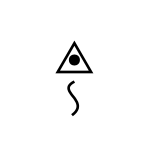
Which figure should replace the question mark in the given arrangement?
Explanation
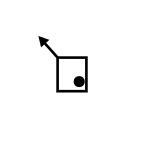
In each row the figure turns through 90° anticlockwise from one box to the next. Turning the second figure of the middle row 90° anticlockwise gives figure (2).
Question 3
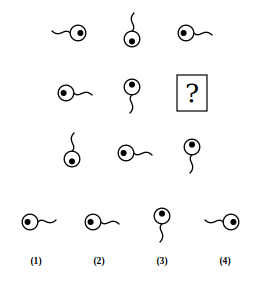
What comes in place of the question mark?
Explanation
In each row the figure turns through 90° clockwise from one box to the next. Turning the second figure of the middle row 90° clockwise gives figure (4).

Question 4
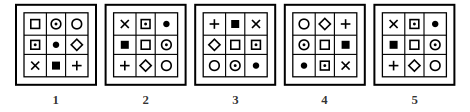
Find the image that is different from the other four among the five given.
Explanation
Figures other than 1 are the same grid of symbols turned through 90°, 180° or 270°. In figure 1 two of the symbols have exchanged places, so it cannot be obtained by turning the grid.
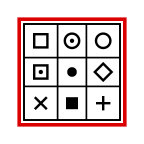
Question 5
Four of the five images below are the same, and one differs from them. Select the odd one out.
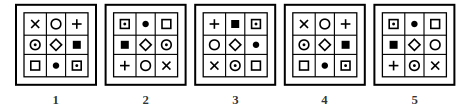
Explanation
Figures other than 5 are the same grid of symbols turned through 90°, 180° or 270°. In figure 5 two of the symbols have exchanged places, so it cannot be obtained by turning the grid.
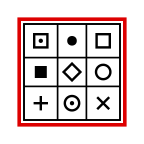
Question 6
Out of the five images given, one is not the same as the other four. Which is it?
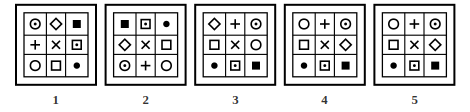
Explanation
Figures other than 3 are the same grid of symbols turned through 90°, 180° or 270°. In figure 3 two of the symbols have exchanged places, so it cannot be obtained by turning the grid.
Question 7
Choose the figure that contains all the components of the key figure (X).
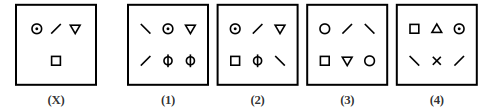
Explanation
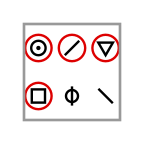
All four components of figure (X) are found only in figure (2) (circled in the solution image). Each of the other figures is missing one component, often replacing it with a look-alike.
Question 8
In which of the alternatives (1) to (4) are the specified components of the key figure (X) found?
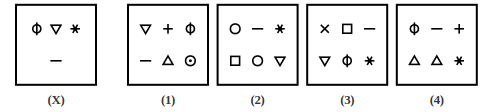
Explanation
All four components of figure (X) are found only in figure (3) (circled in the solution image). Each of the other figures is missing one component, often replacing it with a look-alike.
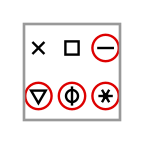
Question 9
Select the alternative in which all the specified components of the key figure (X) are found.
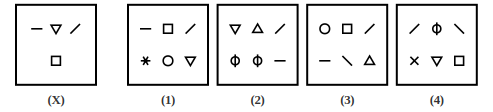
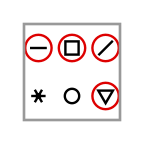
Explanation
All four components of figure (X) are found only in figure (1) (circled in the solution image). Each of the other figures is missing one component, often replacing it with a look-alike.
Question 10
Identify the alternative that shows the key figure (X) after rotation.
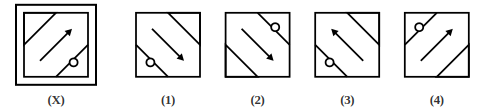
Explanation
Figure (1) is figure (X) rotated through 90° clockwise. Each of the other figures is a mirror image of (X), which cannot be obtained by rotation.
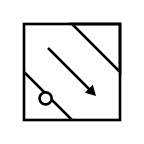
Question 11
After rotation, which of the figures (1) to (4) will the key figure (X) look like?
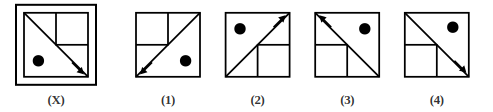
Explanation
Figure (3) is figure (X) rotated through 180° clockwise. Each of the other figures is a mirror image of (X), which cannot be obtained by rotation.
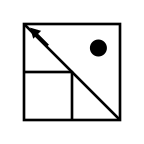
Question 12
Choose the figure that shows how the key figure (X) will look when it is rotated.
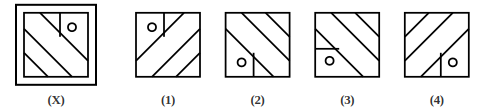
Explanation
Figure (2) is figure (X) rotated through 180° clockwise. Each of the other figures is a mirror image of (X), which cannot be obtained by rotation.
Question 13
Select the figure that represents key figure (X) after it has been turned through some angle.
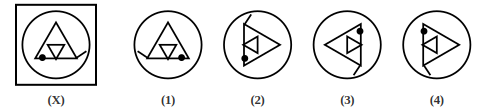
Explanation
Figure (4) is figure (X) rotated through 90° clockwise. Each of the other figures is a mirror image of (X), which cannot be obtained by rotation.

Question 14
Which of the figures (1) to (4) shows the key figure (X) after rotation?
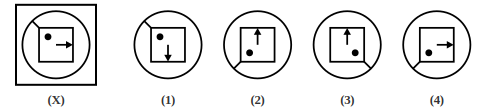
Explanation
Figure (2) is figure (X) rotated through 90° anticlockwise. Each of the other figures is a mirror image of (X), which cannot be obtained by rotation.
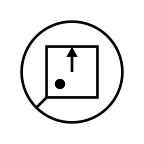
Question 15
Find out how the key figure (X) will look after it is rotated.
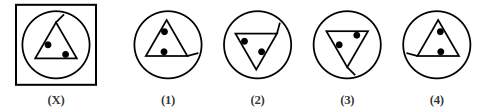
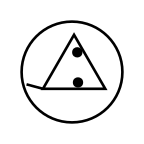
Explanation
Figure (4) is figure (X) rotated through 120° anticlockwise. Each of the other figures is a mirror image of (X), which cannot be obtained by rotation.
Question 16
Look at the pieces of figure (X) and choose the figure among (1) to (4) that can be built from them.
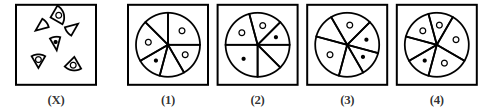
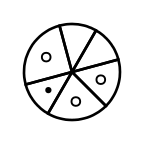
Explanation
Figure (X) has 6 sector pieces: three carry a ring, one carries a dot and two are plain. Only figure (1) is made of the same six pieces with the same sizes and marks (see the solution image). Figures (2) and (3) have only two ringed sectors and two dotted sectors, and figure (4) has four ringed sectors.
Question 17
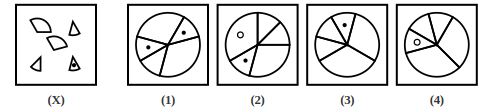
Which of the figures (1) to (4) is made of exactly the pieces shown in figure (X)?
Explanation
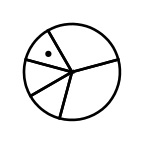
Figure (X) has 5 sector pieces. Only figure (3) is made of sectors of exactly the same sizes carrying the same marks. In each other figure one sector is of a different size or carries a different mark.
Question 18
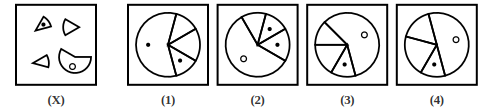
Figure (X) is made up of sector pieces. Find out which of the figures (1), (2), (3) and (4) can be formed from these pieces.
Explanation
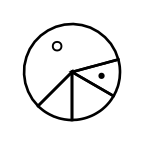
Figure (X) has 4 sector pieces. Only figure (3) is made of sectors of exactly the same sizes carrying the same marks. In each other figure one sector is of a different size or carries a different mark.
Question 19
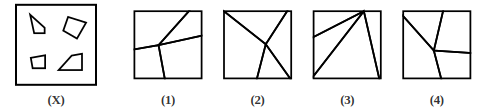
Study the pieces in figure (X) and select the figure, out of (1), (2), (3) and (4), that can be formed from them.
Explanation
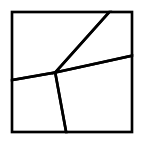
The 4 pieces of figure (X), when turned and fitted together, form figure (1) exactly (see the solution image). In each of the other figures at least one part has a different shape or size from the pieces in (X).
Question 20
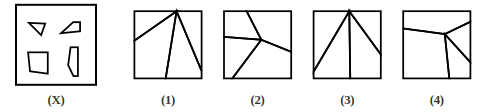
Which of the figures (1) to (4) can be made by fitting together the pieces given in figure (X)?
Explanation
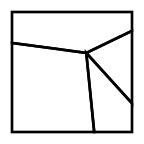
The 4 pieces of figure (X), when turned and fitted together, form figure (4) exactly (see the solution image). In each of the other figures at least one part has a different shape or size from the pieces in (X).
Question 21
Figure (X) shows a set of pieces. Find out which of the figures (1), (2), (3) and (4) can be formed from these pieces.
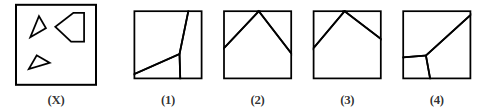
Explanation
The 3 pieces of figure (X), when turned and fitted together, form figure (2) exactly (see the solution image). In each of the other figures at least one part has a different shape or size from the pieces in (X).